
A devastating accident in Saudi Arabia has claimed the lives of 42 Indian Umrah pilgrims from Telangana, leaving families and communities in deep shock. The incident occurred when a bus carrying the pilgrims collided with a tanker on a highway in Saudi Arabia, resulting in a catastrophic crash. This tragedy highlights not only the vulnerability of pilgrims during international travel but also the urgent need for stringent safety measures in transit operations.
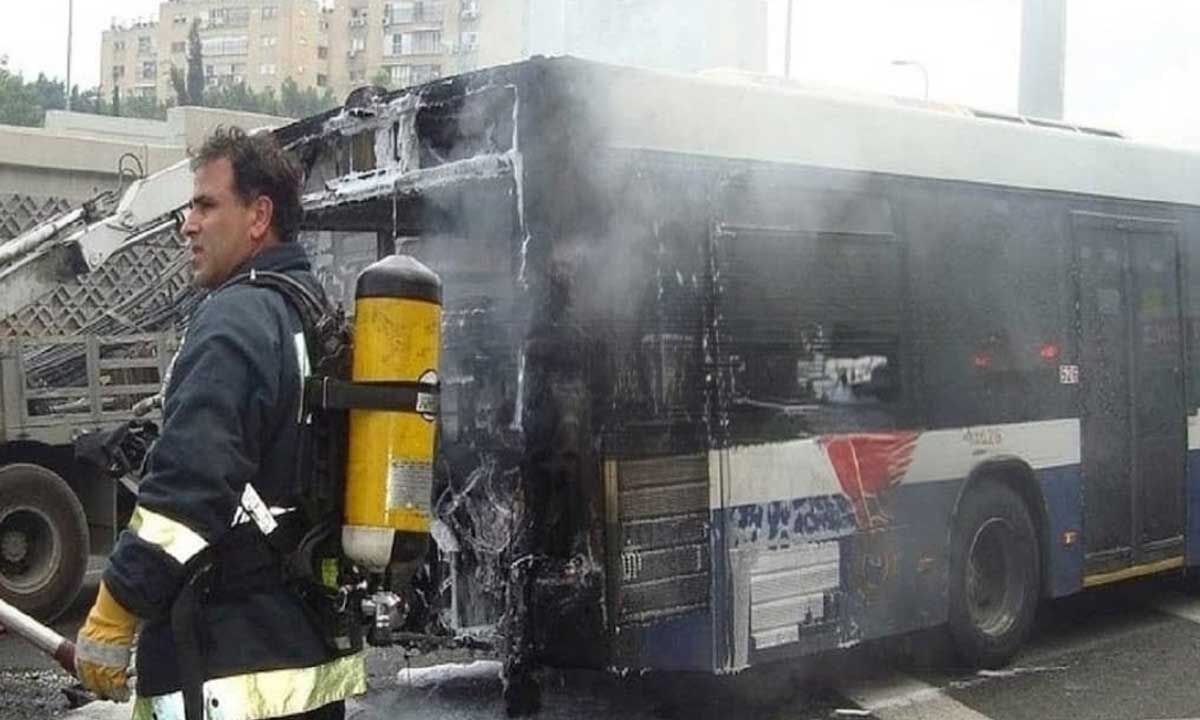
The Incident: What Happened
The accident took place on a busy highway in Saudi Arabia when the bus carrying pilgrims from Hyderabad collided with a tanker truck. Preliminary reports suggest that the impact was severe, causing widespread destruction and casualties. Emergency responders rushed to the site, but the scale of the collision meant that many lives were lost instantly.
Authorities have confirmed that all 42 deceased were Indian nationals, specifically pilgrims from Telangana. Several others may have sustained injuries, and efforts are underway to provide them with medical attention.
madubrainqu.com | wenaier.com | plugin-theme.com
applechon.com | thecreativita.com
Telangana Officials and MEA Response
The Telangana state government quickly contacted the Ministry of External Affairs (MEA) in India to provide assistance and verify details. Officials have been coordinating with the Indian embassy in Saudi Arabia to ensure timely help for the victims’ families.
The government is working on repatriation procedures for the deceased, as well as medical evacuation for injured pilgrims. Special teams have been dispatched to manage documentation, local liaison, and communication with the families back home.
Political Leaders React
Telangana MP Asaduddin Owaisi urged the MEA to act swiftly, requesting immediate updates and assistance for the victims and their families. Social media posts and press statements from other political figures have also expressed grief and called for urgent support for the injured.
Leaders emphasized the importance of reviewing travel safety measures for Indian pilgrims visiting Saudi Arabia, especially during peak pilgrimage seasons. This tragic incident underscores the need for proactive steps to prevent future accidents.
Background: Umrah Pilgrimage Travel Risks
Umrah pilgrimage attracts thousands of Indians annually, including those from Telangana. While the pilgrimage is a spiritually significant journey, traveling abroad carries inherent risks. Bus-tanker collisions in Saudi Arabia have been reported previously, often due to over-speeding, long travel hours, and inadequate local traffic management.
Officials highlight that pilgrims, many of whom are elderly, face additional risks such as fatigue, lack of familiarity with local roads, and reliance on commercial transport services. The recent tragedy demonstrates the vulnerability of pilgrims to road accidents, even under organized travel arrangements.
Community and Family Impact
The loss of 42 lives has sent shockwaves through Telangana communities. Families of the deceased are left grappling with grief, while others await news about missing or injured relatives. Local community leaders and religious institutions have started relief and support initiatives, including counseling services for affected families.
Social media has also been flooded with messages of condolence and prayers for the victims. The tragic news has unified communities in grief while raising awareness about travel safety and risk mitigation for pilgrims abroad.
Saudi Arabia’s Emergency Response
Saudi authorities responded quickly to the accident site. Firefighters, police, and medical personnel were dispatched to manage the aftermath. Hospitals in the nearby region were placed on high alert to receive injured pilgrims. Emergency measures included:
-
Transporting injured passengers to hospitals
-
Investigating the cause of the collision
-
Securing the site to prevent further accidents
Saudi officials are coordinating with the Indian embassy to facilitate information flow and assist in post-accident procedures, including repatriation of bodies.
Steps Being Taken by the Indian Government
The Indian Ministry of External Affairs is actively monitoring the situation. Steps taken include:
-
Verification of casualties and identification of victims
-
Assistance in repatriation of the deceased to India
-
Medical support and evacuation of injured pilgrims
-
Coordination with Saudi authorities to investigate the incident
-
Support to families for immediate financial and logistical needs
This approach ensures that both emergency relief and long-term support are provided to the affected families.
Safety Measures for Future Pilgrimages
While accidents cannot always be avoided, certain steps can reduce risks for pilgrims traveling abroad:
-
Selecting certified and reliable transport services
-
Ensuring adequate rest and medical preparedness for elderly passengers
-
Conducting road safety briefings before travel
-
Implementing strict traffic regulations for commercial vehicles in high-density pilgrimage zones
-
Increasing monitoring of vehicle conditions, including brakes, tires, and safety equipment
Pilgrimage operators are expected to adopt these measures rigorously in the aftermath of such incidents.
The Emotional Toll and Healing
Tragedies like these extend beyond physical loss. The psychological and emotional trauma faced by families is profound. Community support, counseling, and government assistance play a critical role in helping victims’ families cope. Public awareness campaigns can also educate future pilgrims on safety, potentially preventing further loss of life.
In Telangana, memorial services and prayers are likely to be held for the departed souls. These events will allow families and communities to mourn collectively and find emotional closure.
Looking Ahead
As investigations continue, authorities aim to determine the exact cause of the bus-tanker collision. Whether human error, mechanical failure, or other factors played a role will be clarified soon. Meanwhile, the focus remains on supporting the affected families, ensuring safety for future pilgrims, and implementing preventive measures for travel abroad.
The tragedy serves as a sobering reminder of the importance of travel safety, especially for elderly and vulnerable populations. It also emphasizes the need for coordination between countries to ensure secure transit for pilgrims and tourists alike.
Conclusion
The bus-tanker collision in Saudi Arabia that claimed 42 lives of Telangana pilgrims is a heartbreaking incident. Families, communities, and authorities are now working together to address the immediate needs of the victims while seeking justice and safety improvements.
This tragedy is a call for heightened vigilance in international travel for pilgrims and better regulatory mechanisms to prevent such incidents. The loss is immense, but collective efforts from governments, communities, and travel operators can help prevent future calamities.